Introduction to Qoghundos
Qoghundos is a traditional dish that holds a significant place in the culinary landscape of various cultures, particularly in Central Asia and parts of the Middle East. Originating from the ancient practices of nomadic tribes, qoghundos encapsulates a rich history that reflects the lifestyle and values of these communities. The dish is not merely about taste; it symbolizes hospitality and the importance of gatherings, often being served during celebrations, festivals, and family events. This cultural significance has contributed to its enduring popularity across regions and cultures.
What distinguishes qoghundos from other dishes is its unique combination of ingredients in qoghundos, which vary by region and season. While the fundamental elements may include grains, meats, and vegetables, the specific ingredients often reflect local availability and traditions. For instance, variations may include spices that are indigenous to the area, enhancing the flavor profile and nutritional value of the dish. This adaptability not only showcases the creativity of cooks but also celebrates the shared culinary heritage among these cultures.
In many societies, the preparation of qoghundos is considered a communal activity, bringing together family and friends. The process of making this dish often involves intricate techniques passed down through generations, fostering a sense of continuity and belonging. Moreover, the dish serves as a canvas for artistic expression in culinary form, where each cook may add their personal touch to the ingredients in qoghundos, creating a signature flavor that tells their own story.
Essentially, qoghundos is more than just a meal; it is a testament to cultural identity and community spirit. The fusion of diverse ingredients not only plays a critical role in its unique taste but also embodies the stories and traditions of the people who prepare it. Understanding this dish requires an exploration of its key components, which reveals the heart of what makes qoghundos a culinary delight.
Key Ingredients in Qoghundos
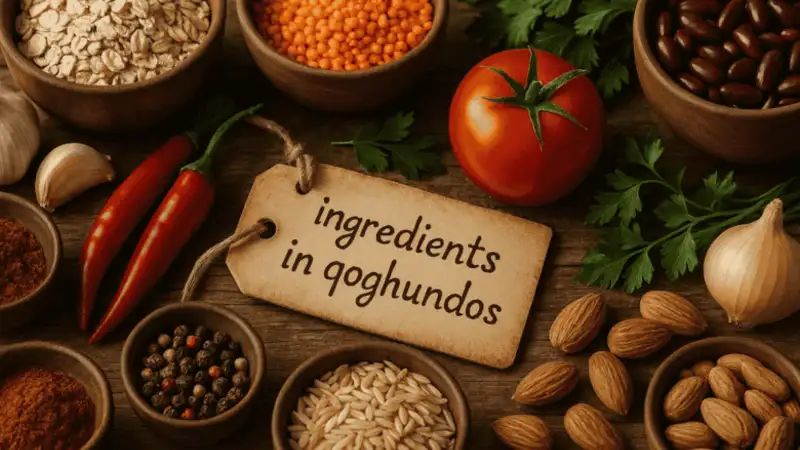
Qoghundos is a traditional dish that showcases a remarkable blend of flavors and textures, stemming from its diverse ingredients. Central to this culinary delight are grains, which serve as the foundation of the dish. Commonly used grains include rice and bulgur, with each variation offering a distinct texture and taste. Rice is celebrated for its ability to absorb flavors, making it a popular choice for this dish, while bulgur adds a nutty undertone that complements other ingredients effectively.
Meats play a vital role in enhancing the richness of qoghundos. The most frequently incorporated meats are lamb, beef, or chicken. Each type provides unique flavor profiles; lamb, for example, contributes a robust flavor, whereas chicken tends to yield a lighter dish. Additionally, the method of preparation—such as slow-cooking—allows the meat to be tender and infuse its essence into the entire dish. Variations may include the use of game meats in particular regions, offering a unique twist to the standard fare.
Vegetables are also integral to the composition of qoghundos, providing freshness and nutrition. Onions, garlic, and various root vegetables are commonly used to create a flavorful base. These ingredients not only enhance the taste but also add textural contrast to the dish. Regional preferences can affect the selection of vegetables; for instance, Mediterranean variations often incorporate eggplant or bell peppers, whereas Central Asian recipes may favor carrots and potatoes.
Finally, spices elevate qoghundos to an aromatic experience. Commonly used spices include cumin, coriander, and black pepper, each contributing to the overall flavor profile. The balance and choice of spices can reflect regional tastes and traditions, making each preparation of qoghundos unique. Understanding the key ingredients in qoghundos underlines the importance of each component in creating a delightful culinary experience.
Health Benefits of Ingredients in Qoghundos
Qoghundos, a traditional dish celebrated for its unique combination of flavors, is also highly regarded for its nutritional profile. The ingredients in qoghundos contribute not only to its taste but also to its health benefits, making it a suitable choice for those seeking a balanced diet. Typically comprising a variety of grains, legumes, vegetables, and spices, qoghundos offers a rich array of macronutrients and micronutrients essential for well-being.
One of the primary ingredients often found in qoghundos is whole grains, which provide a significant source of dietary fiber. This fiber is crucial for maintaining digestive health, helping to regulate bowel movements and prevent constipation. Additionally, whole grains are rich in complex carbohydrates, which offer sustained energy, making them ideal for active lifestyles. The inclusion of legumes, such as lentils or chickpeas, further enhances the nutritional value. They are excellent sources of plant-based protein, essential for muscle repair and growth, and they also provide essential minerals such as iron and magnesium.
The vegetables used in qoghundos, such as carrots, onions, and peppers, add a plethora of vitamins and antioxidants. For instance, carrots are high in beta-carotene, promoting eye health, while bell peppers are known for their high vitamin C content, boosting the immune system. Moreover, the spices commonly incorporated into the dish, including turmeric and cumin, offer additional health benefits. Turmeric contains curcumin, known for its anti-inflammatory properties, which may contribute to reduced risk of chronic diseases.
Incorporating ingredients in qoghundos not only boosts the dish’s flavor profile but also ensures a comprehensive nutritional intake, supporting overall health. As with all meals, moderation and balance are key, making qoghundos a delightful addition to a varied diet. In conclusion, the health benefits of qoghundos extend beyond its culinary appeal, promoting a healthier lifestyle through its diverse and nutritious ingredients.
Tips for Preparing Qoghundos with Authentic Ingredients
Preparing qoghundos at home can be a rewarding culinary experience, particularly when using authentic ingredients. To start, it is crucial to source the freshest and most genuine ingredients available. Local markets and specialty stores are often the best places to find items such as freshly ground spices, quality meats, and seasonal vegetables. When possible, opt for organic options, as they provide richer flavors and higher nutritional value.
Once the ingredients are obtained, proper preparation is essential for maximizing their taste. Take the time to wash and chop vegetables meticulously, as this not only ensures cleanliness but also enhances the visual appeal of the dish. For meat, marinating is an important step; allow it to absorb flavors from spices and herbs for several hours before cooking. Traditional qoghundos recipes often highlight the use of distinct spices, so don’t hesitate to experiment with quantities to tailor the dish to your palate.
ingredients in qoghundos Regarding cooking methods, slow cooking is often recommended for qoghundos, as this technique allows the flavors to meld beautifully over time. A heavy-bottomed pot or a clay cooker is ideal, as it retains heat evenly. Additionally, layering ingredients in the pot can create a more balanced flavor profile. Start with the denser ingredients like meat, followed by vegetables, and finish with spices on top. This way, the flavors infuse progressively through each layer during cooking.
Lastly, remember that customization is key. Whether due to dietary restrictions or personal preference, many ingredients in qoghundos can be substituted or omitted. For instance, if you are vegetarian, consider using lentils or chickpeas as a protein alternative, while still keeping the dish’s essence intact. With these practical tips, you can prepare a delightful version of qoghundos that reflects your culinary style and preferences.